
How to Visit Pompeii: A Complete Guide to Exploring the City Time Forgot
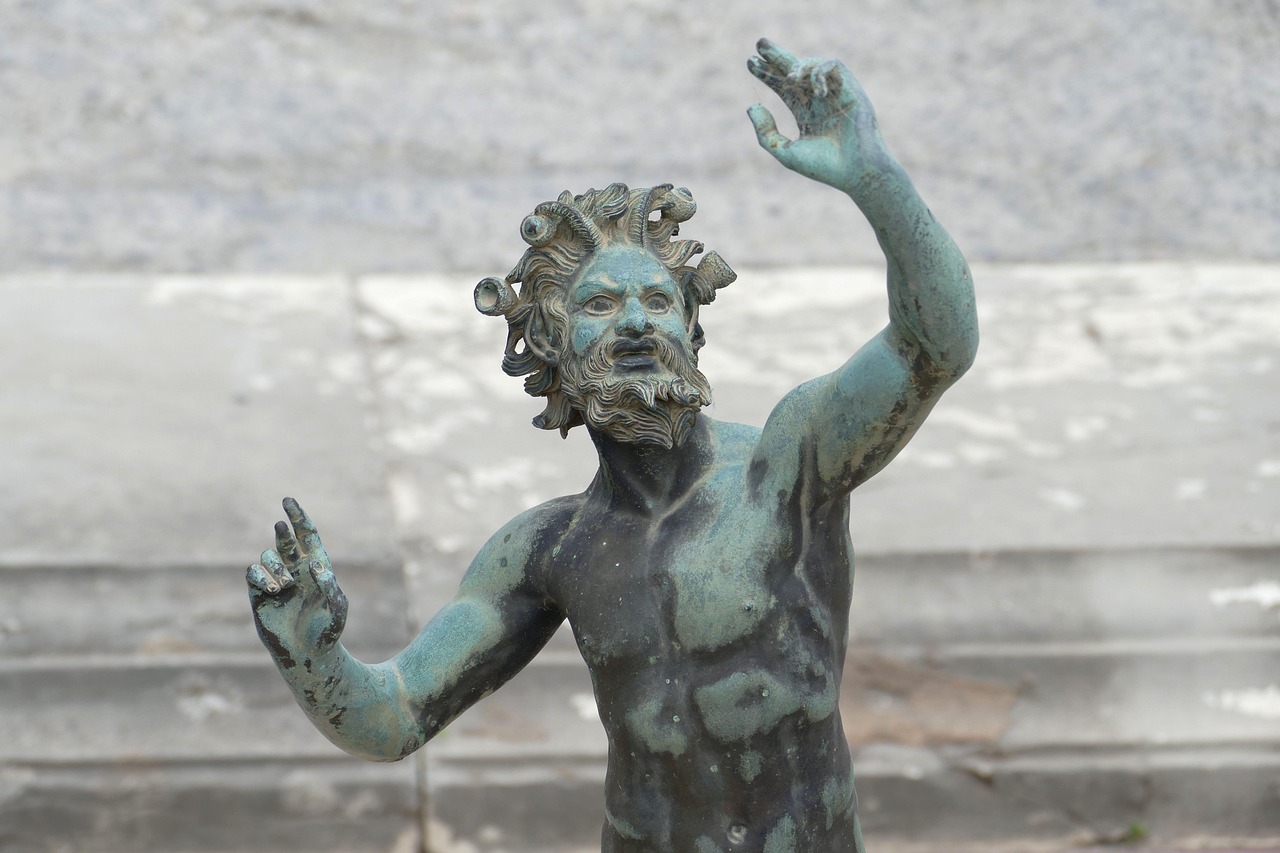
🌋Buried by ash and frozen at the precise moment of its tragedy: that is Pompeii.🕰️
Imagine for a moment that you could walk through a Roman city exactly as it was two millennia ago, feeling the hustle and bustle of its markets, smelling the aromas of its taverns, and hearing the echo of footsteps in the forum.
Come and discover how a massive natural disaster that occurred nearly 2,000 years ago allows us to know what life was like in an ancient Roman city. Bars, public baths, takeaway food… even a coliseum older than the one in Rome?
The Touring Pandas will show you how, thanks to the eruption of Mount Vesuvius, we can recreate the daily life of a civilization from two thousand years ago.
Get ready for a fascinating journey through the Roman city hidden for almost 1,700 years! 🌋🏛️
🏛️ What was life like 2,000 years ago in the ancient Roman city of Pompeii?
Pompeii wasn’t a city of white marble and deathly silence, as old movies sometimes show us. On the contrary, it was a vibrant, noisy, colorful, and—dare we say—slightly chaotic city. Strategically located near the Sarno River and the sea, it was a bustling commercial hub where merchants, sailors, slaves, and aristocrats all crossed paths.
A city of business and pleasure Pompeii was famous for its production of garum (a fermented fish sauce that was the “ketchup” of the time) and for its wines grown on the fertile slopes of Vesuvius. Life began at dawn. Free citizens headed to the Forum, the political and economic heart of the city, while in the side streets, the thermopolia (street food stalls) began heating up their pots. 🍲
Yes, you read that right: takeaway food! Pompeians rarely cooked at home unless they were wealthy. They preferred to eat on the street, sitting in taverns where they ordered lentils, cheese, freshly baked bread, and wine (mixed with water and honey, as was the Roman fashion).🍇🍷
The art of living (and writing on the walls) The most “human” side of Pompeii is its graffiti. Apparently, the trend of leaving messages or arguing on walls started right here. Thanks to the ash, thousands of inscriptions have been preserved. These weren’t just official edicts; they were love notes, political critiques, advertisements for gladiator games, and even complaints about the quality of the wine at a local bar.
Society was deeply hierarchical but also dynamic. The public baths were the great social equalizer: there, rich and poor (in different shifts or separate spaces) relaxed, did business, and caught up on the city’s latest gossip. Imagine the murmur of conversations, the steam from the hot pools, and the scent of perfumed oils… that was just a typical Tuesday in Pompeii.
🌋 How was it completely buried under 15 feet of volcanic debris?
The fate of Pompeii changed forever in 79 AD (though recent research suggests it may have been in October rather than August, based on the types of clothing and fruits found). Mount Vesuvius, which locals considered simply a fertile and peaceful mountain, woke up with unimaginable violence.
Chronicle of a catastrophe Thanks to the letters of Pliny the Younger, who witnessed the disaster from across the bay, we know the eruption lasted nearly 24 hours. First, a column of ash and pumice stone (lapilli) rose miles into the sky, completely blotting out the sun.
Pompeii wasn’t buried by liquid lava (which moves slowly), but by two different phenomena:
Ash and Lapilli Rain: For hours, small stones fell over the city, causing roofs to collapse and blocking the doors of houses.
Pyroclastic Flows: These are clouds of scorching gas and ash that travel at incredible speeds (over 60 mph) and temperatures of up to 570°F (300°C). These clouds are what, in a matter of seconds, ended the lives of those who had stayed in the city, preserving their forms for eternity. 💨🔥
In the end, the city disappeared under a layer of 13 to 20 feet of volcanic material. Pompeii was literally wiped off the map and erased from collective memory for centuries.
💡 A Little Historical Insight: While it’s a dramatic story, remember that nature actually tried to send a “heads-up” years before the eruption. A massive earthquake struck the city in 62 AD—a warning from the gases trapped beneath the mountain. Today, Mount Vesuvius is one of the most closely monitored volcanoes in the world, so you can wander through these ancient streets with total peace of mind! 🐼⛰️
🔍 How was it excavated? What was found and what can we see today?
Pompeii “slept” for almost 1,700 years. It was in 1748, under the reign of Charles III of Bourbon (then King of Naples), that official excavations began. Initially, they were looking for treasures and artworks to decorate palaces, but the world soon realized they had found something much more valuable: a time capsule.
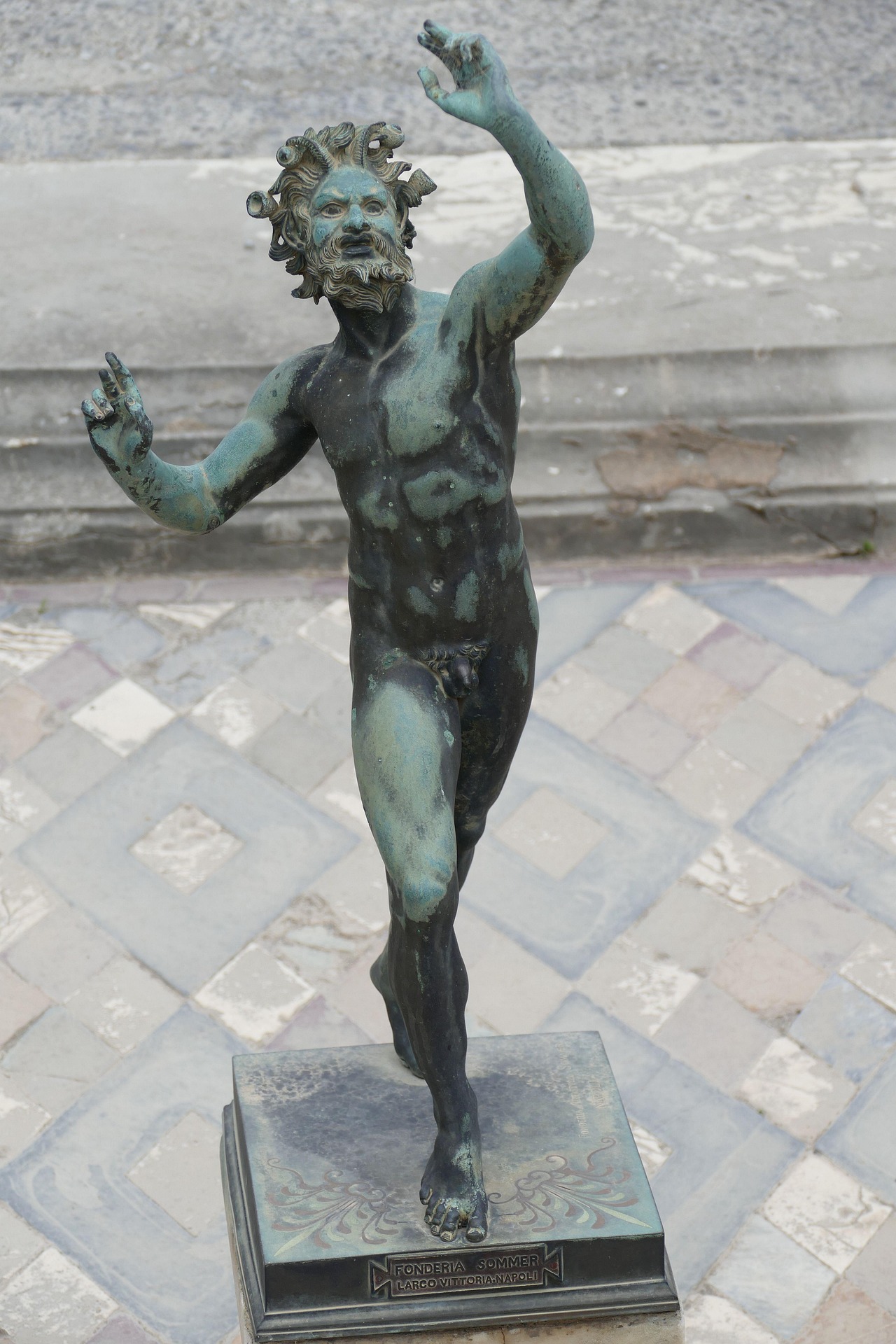
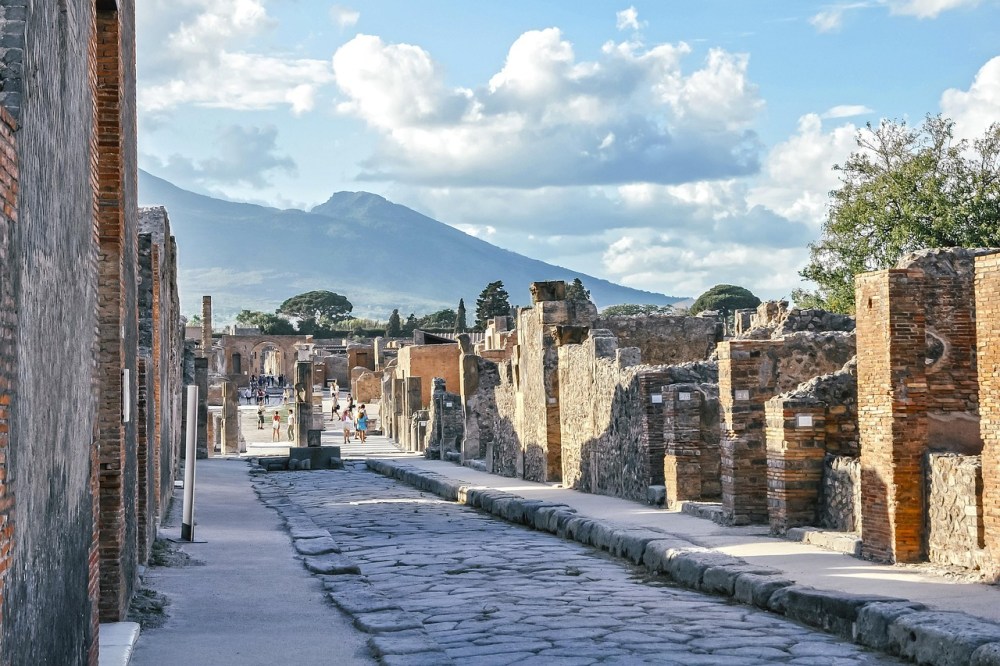
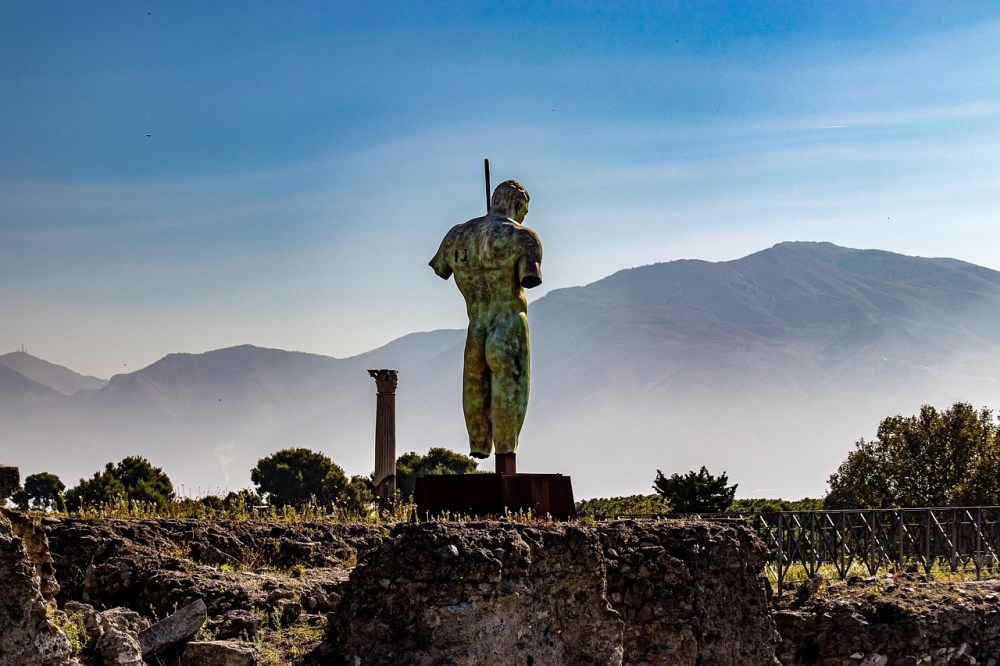
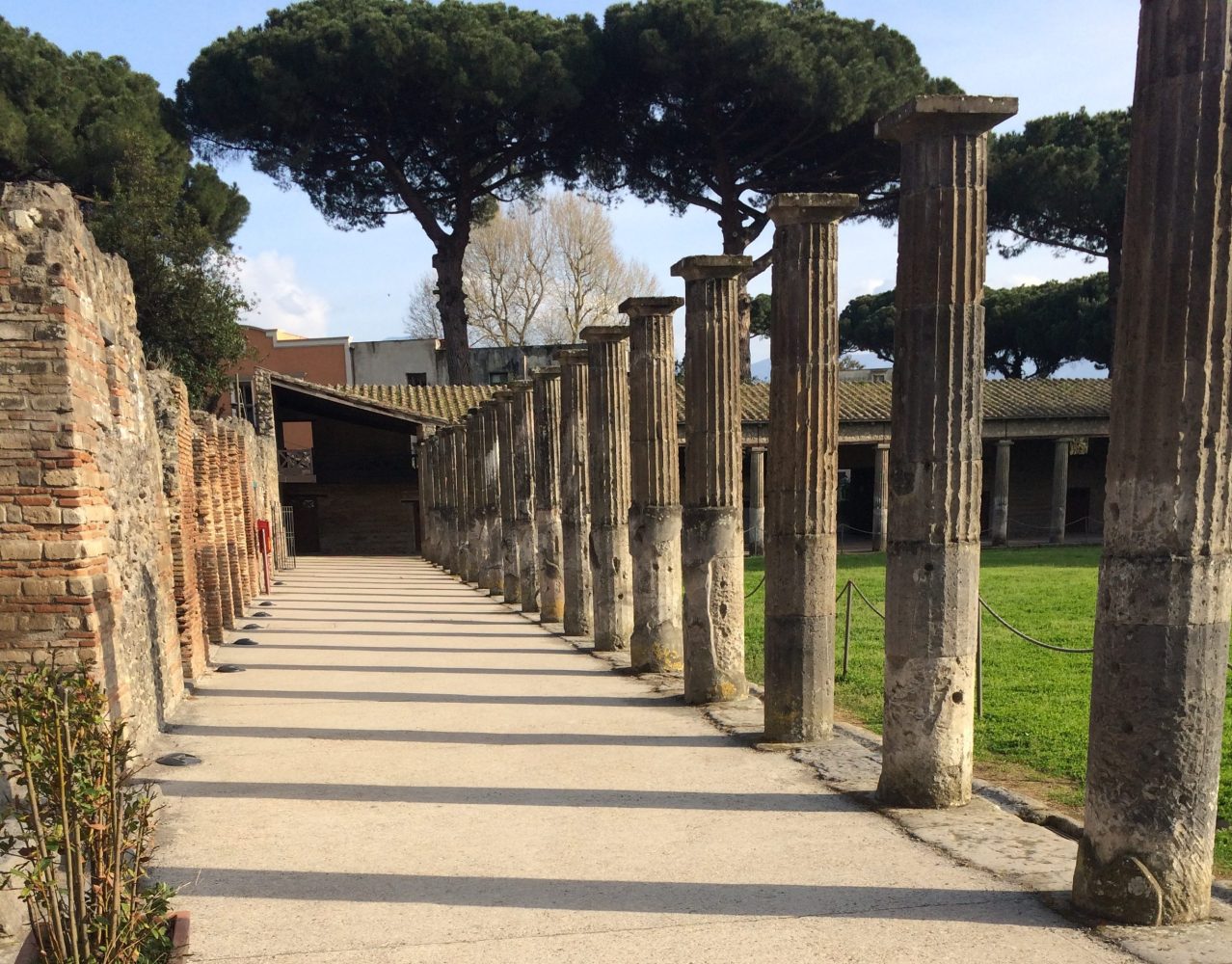
The genius of Giuseppe Fiorelli In the 19th century, archaeologist Giuseppe Fiorelli introduced a revolutionary technique. During excavations, they found hollow spaces in the hardened ash where the bodies of victims had decomposed. Fiorelli decided to fill these voids with liquid plaster. When the ash was removed, the famous “Pompeii casts” appeared: figures that show the exact position and even the expression of anguish of the people in their final seconds of life. It is, quite possibly, the most moving testimony of the ancient world.
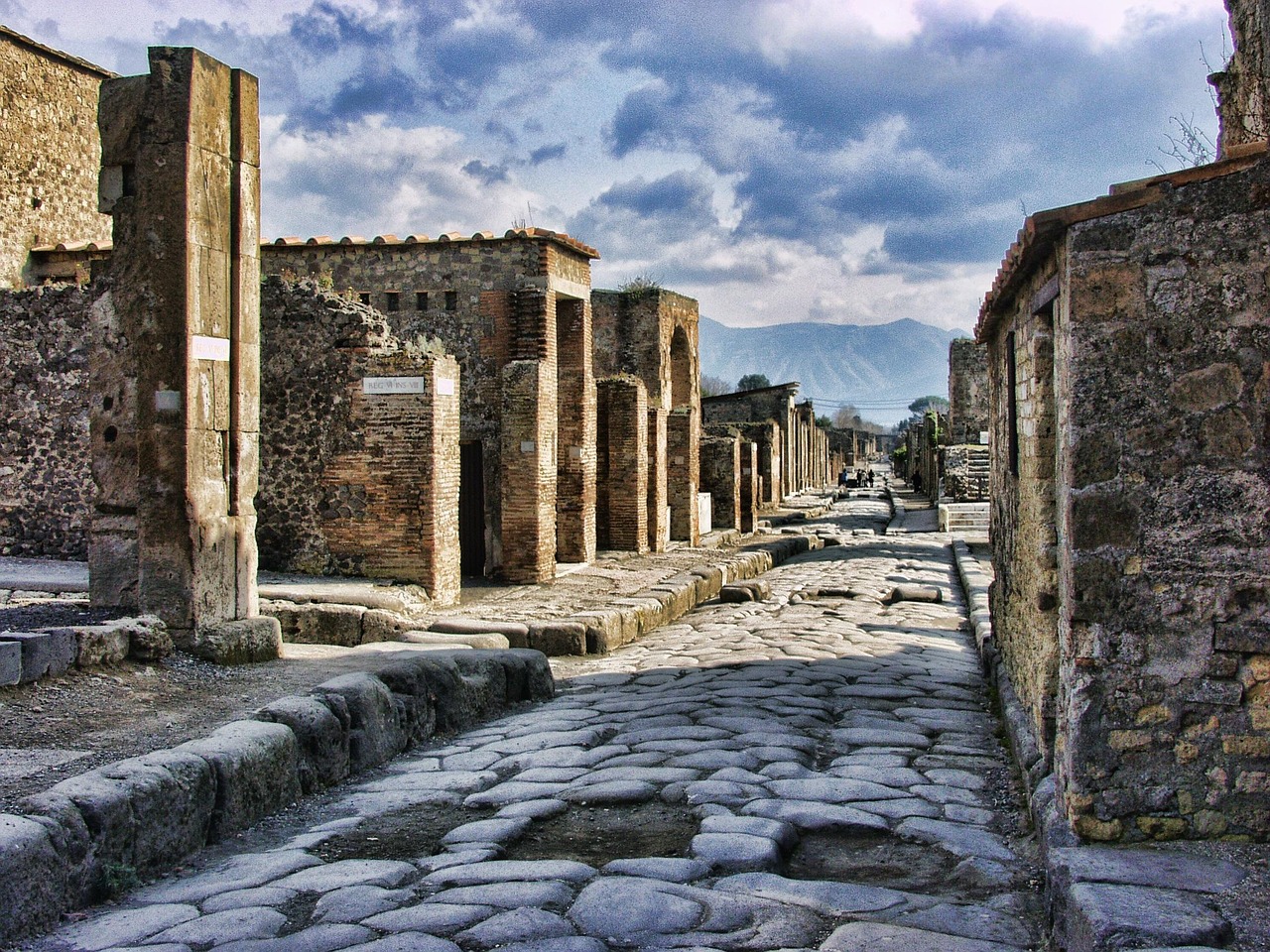
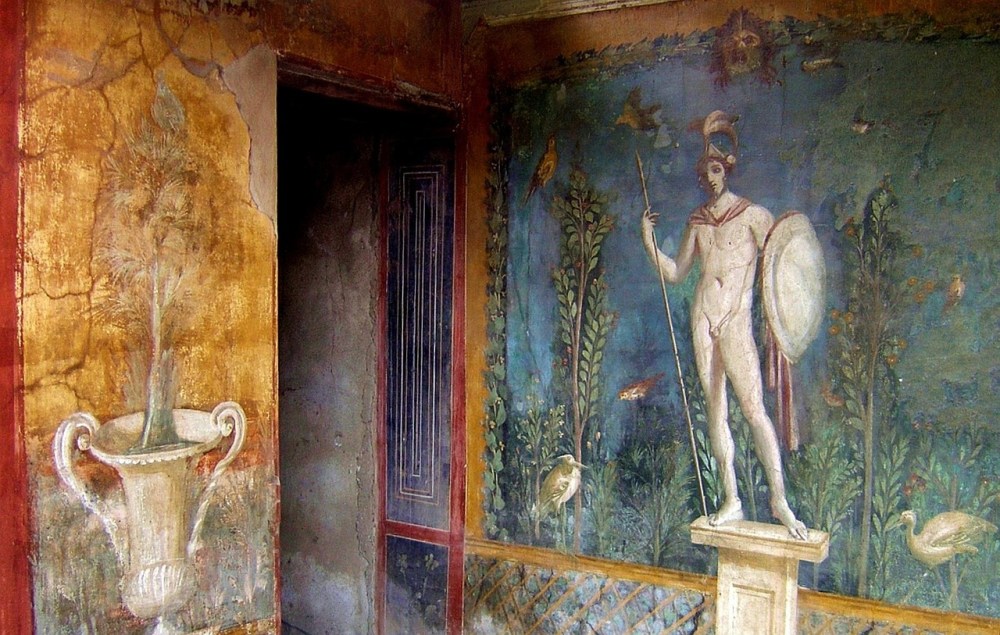
What to see on your visit today?
Pompeii is massive (about 163 acres, of which 111 have been excavated). Here are the must-sees that should be on your route:
The Forum
The main square, where you’ll see the Temple of Jupiter and the justice basilicas.
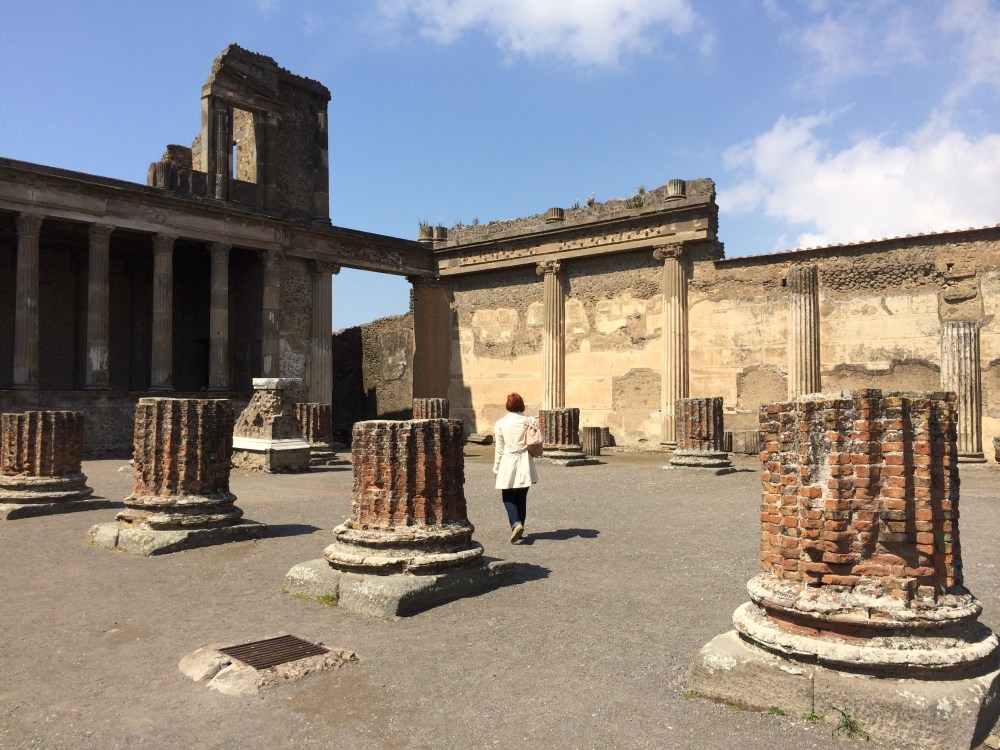
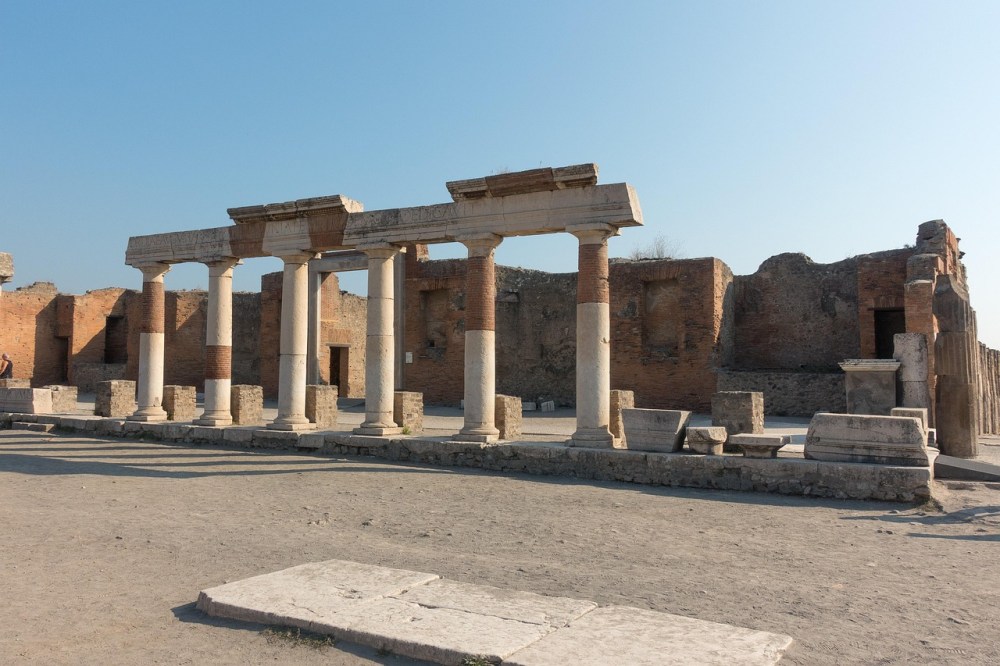
The views of Vesuvius from here are breathtaking and give you an idea of the landscape during the eruption.
The Lupanar
The city’s ancient brothel. It’s famous for its erotic frescoes that served as a “menu” for clients and for its small stone beds (which don’t look comfortable at all!). 🔞
The House of the Vettii
Recently restored and reopened, this is the best example of the wealth of the merchant class, with frescoes that look like they were painted yesterday. Known as the “Sistine Chapel of Pompeii” the 20 years it took to restore it were well worth it. The house is named after two brothers, former slaves who became rich selling wine🍇after being freed. It completely changes our perspective on the social mobility of the time.
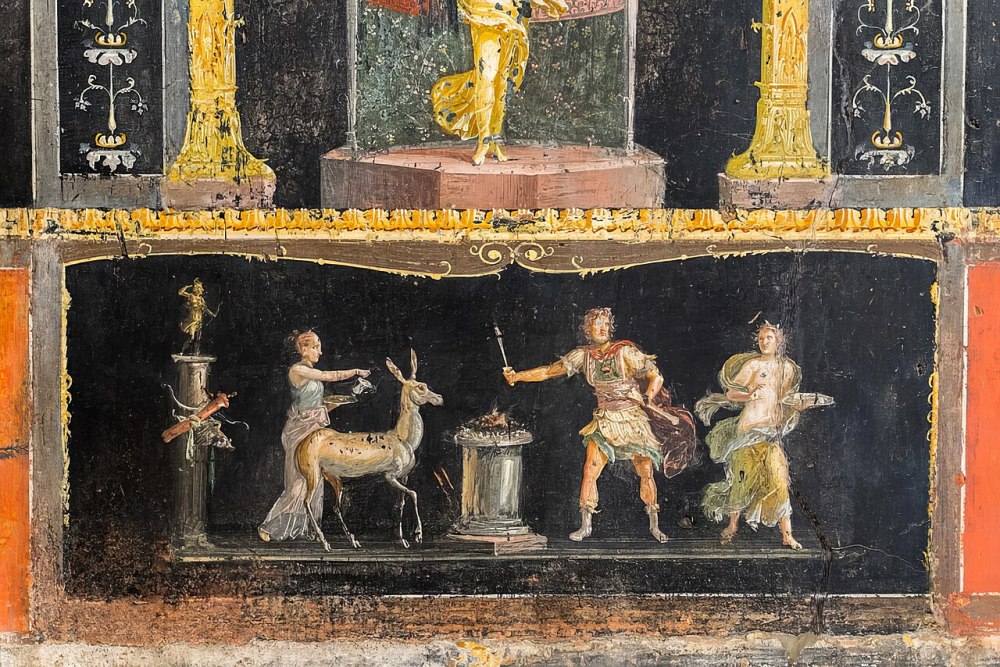
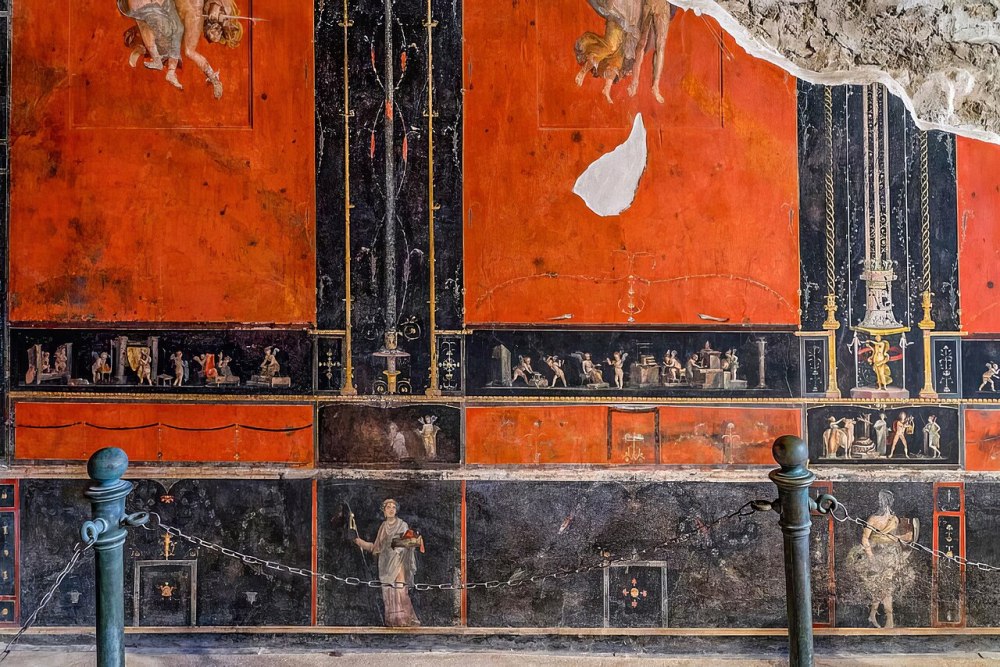
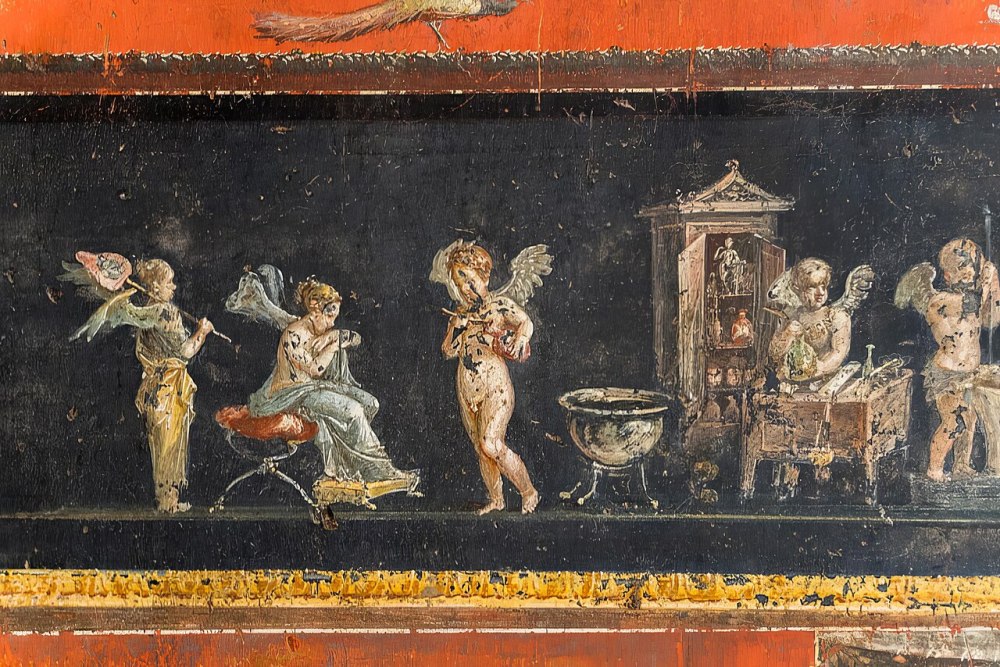
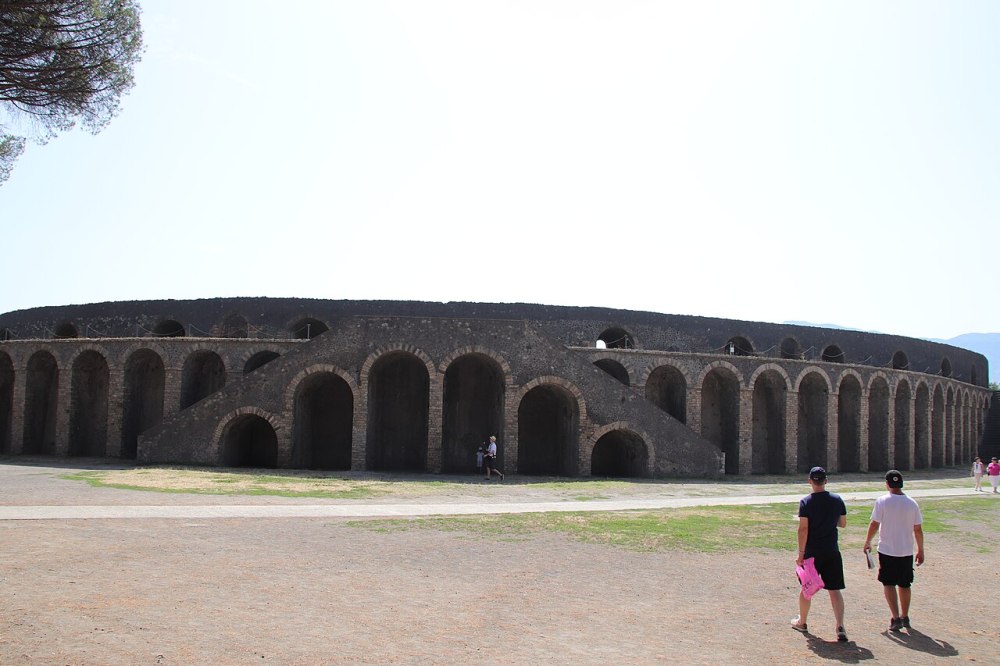
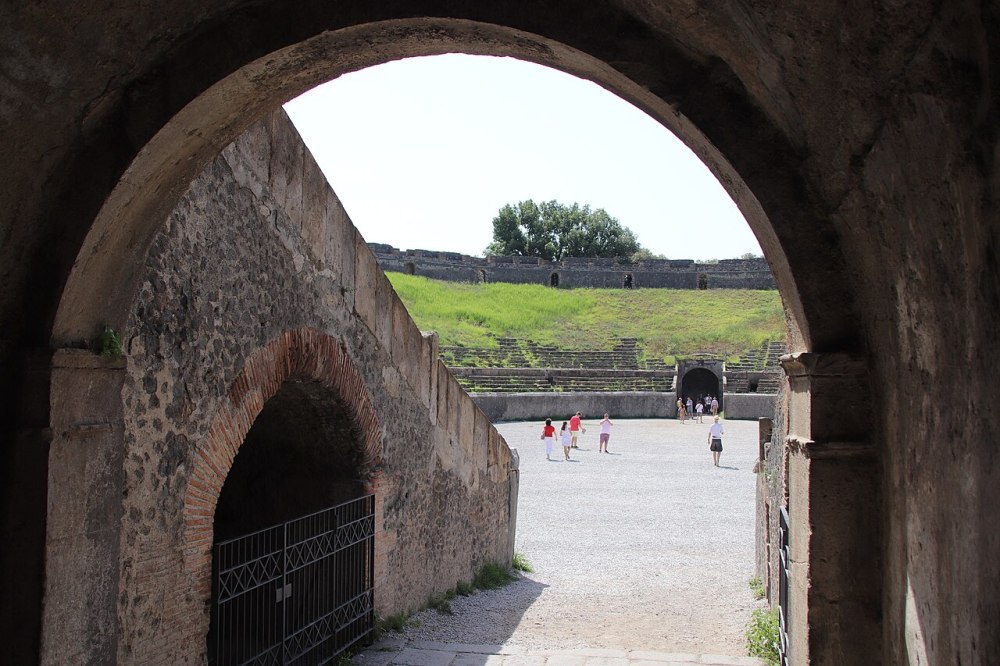
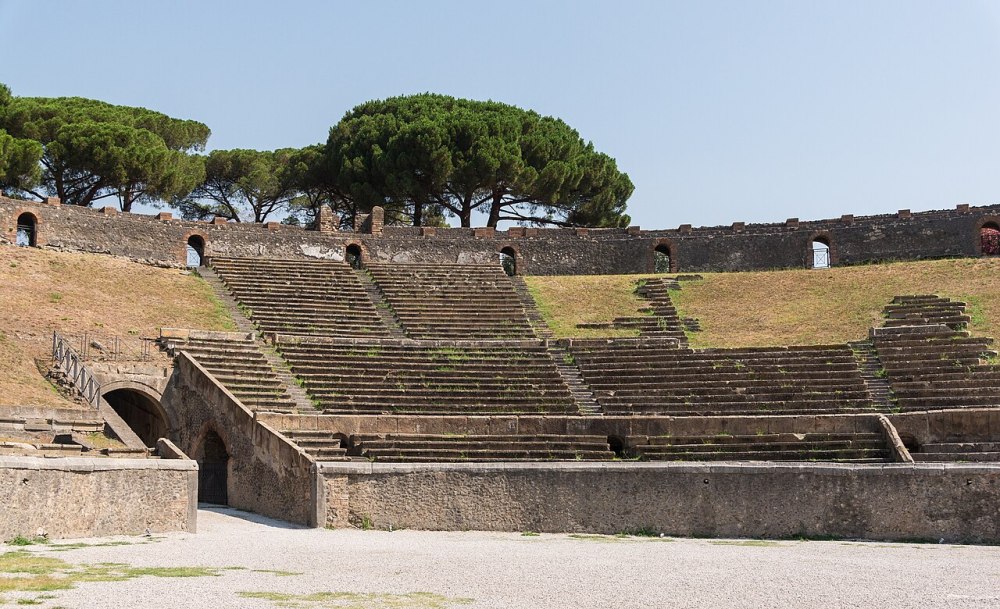
The Amphitheater
The oldest surviving Roman amphitheater in the world—even older than the Colosseum in Rome. Here, 20,000 people would scream in support of their favorite gladiators.⚔️
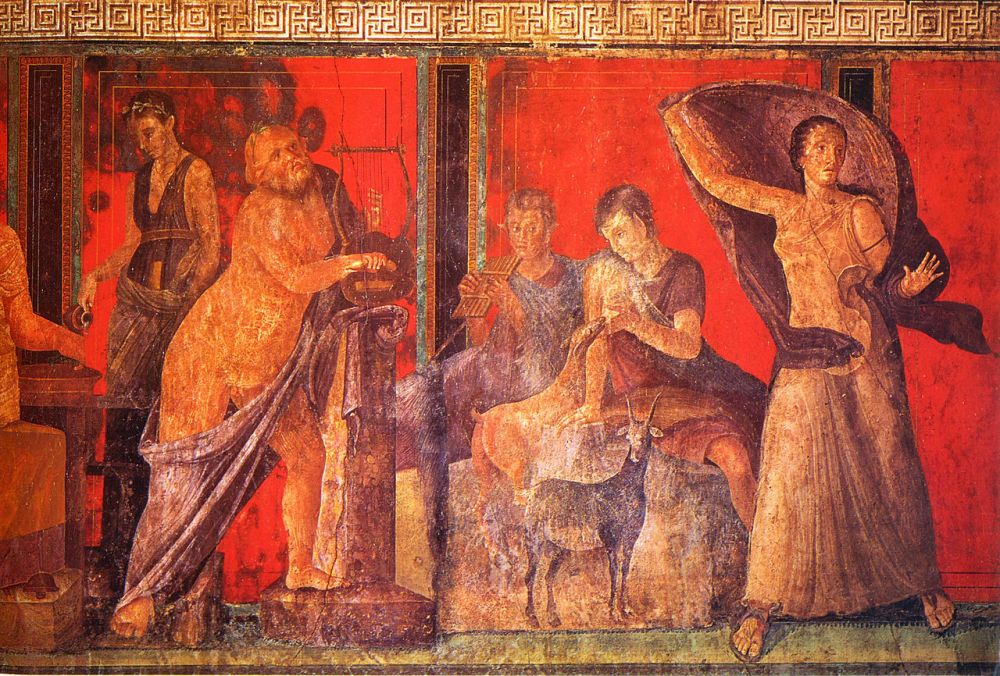
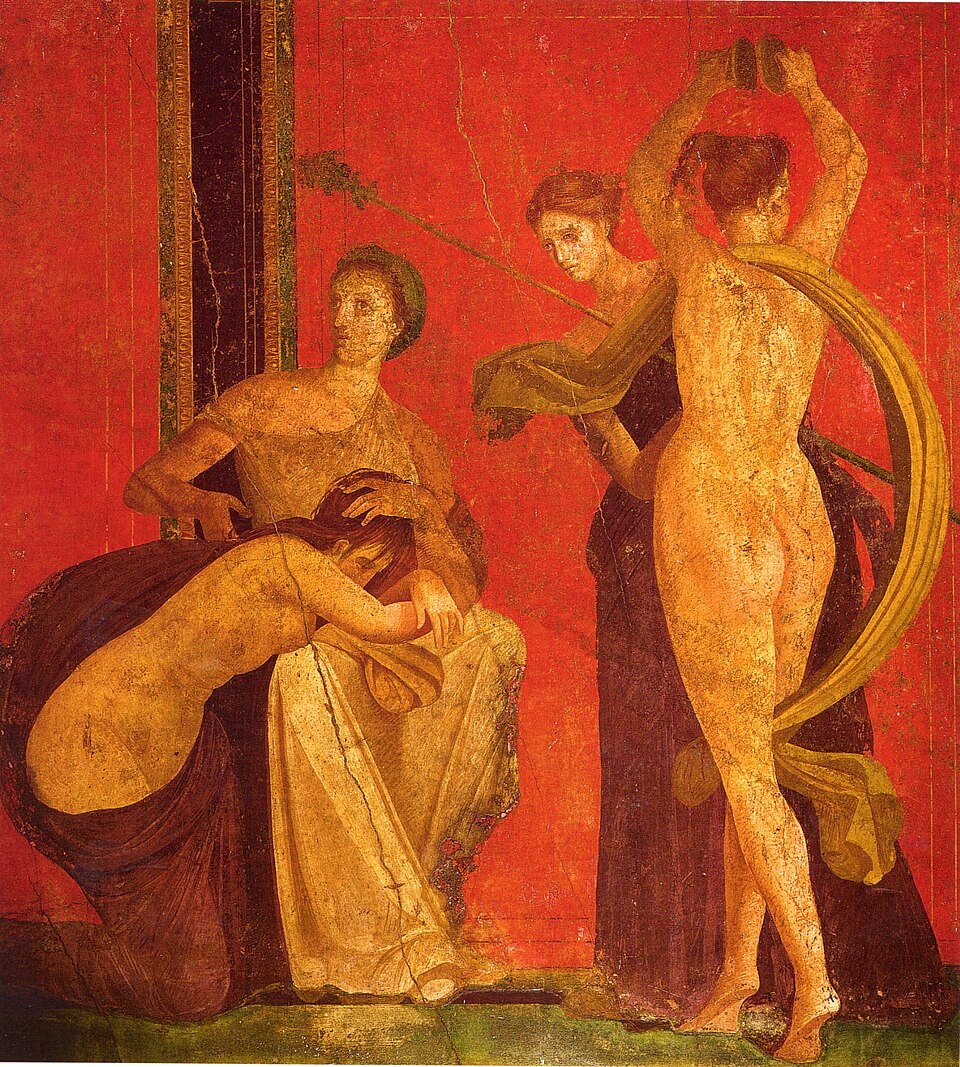
The Villa of the Mysteries
Located on the outskirts, it contains enigmatic frescoes covering entire walls, believed to show a woman’s initiation into a cult worshipping the god of wine, Dionysus.
🚆 How to get to Pompeii by public transport?
Getting to Pompeii is relatively simple, especially if you are in Naples or Rome. Here are the best options so you don’t get lost:
🚞From Naples (Stazione di Napoli Centrale)
The most popular option is the commuter train called the Circumvesuviana.
-
- Departure Station: Napoli Garibaldi (located underneath the central train station).
- Line: Naples – Sorrento. (Make sure the train destination says: “SORRENTO”).
- Stop: Pompei Scavi – Villa dei Misteri.
- Duration: About 35 – 40 minutes.
- Panda Tip: These trains are usually crowded and don’t have air conditioning, but they drop you off just 50 yards from the main entrance of the site!
🚝From Rome (For a day trip)
-
- 🚝High-Speed Train (Frecciarossa or Italo): Take a train from Roma Termini to Napoli Centrale (takes just over an hour). Once there, follow the Circumvesuviana steps mentioned above.
- Direct Train: Currently, there is a direct Frecciarossa train from Rome to Pompeii that runs on certain Sundays and special dates. It’s the most comfortable option if it fits your schedule!
🚉The “Metropolitano”
You can also use Trenitalia’s regional trains to the Pompei station (in the modern town). You’ll have to walk about 10-15 minutes🚶♂️➡️to reach the Piazza Anfiteatro entrance, but these trains are generally more modern and comfortable than the Circumvesuviana.
Options to Visit Pompeii
Prefer to go on your own?
If you are looking for general admission to explore at your own pace without a guide, you can purchase your tickets directly through Pompeii’s official ticketing partner (TicketOne). We highly recommend booking in advance, especially during peak season, to guarantee your spot.
🔗 Official ticketing website: TicketOne – Pompeii Scavi
🐼 Our option for visiting Pompeii: The “The Touring Pandas” Experience
We know you’re intrigued by visiting this city lost for centuries. Pompeii is huge, and walking its cobblestone streets under the Italian sun can be overwhelming if you don’t know where to start or what you’re looking at. Without a doubt, going with an expert guide in your own language is reassuring, efficient, and the best way to make the most of your day while learning the history of this city buried overnight.
That’s why at The Touring Pandas, we’ve designed a tour that stands out. We don’t want to give you a boring history lesson full of dates; we want you to feel like a local friend is telling you the secrets of their city.
What does our guided Pompeii tour include?
-
- Admission ticket: Because your time is gold and we’d rather you spend it looking at frescoes instead of standing in line under the sun. 🎫
- Small groups and in your language: Forget about going on a bus with 50 people. We believe in personal interaction and in you being able to ask all the questions you want in your language (English, Chinese, Korean or Japanese).
- Expert and passionate guides: Our guides don’t just know archaeology; they know how to tell stories! They’ll make you laugh and move you with tales of the real lives of Pompeians.
- An optimized route: We take you to the best of Pompeii (including hidden gems most tourists miss) on a comfortable route so you can truly understand how people lived and what happened.
🔗 Discover the details of our Pompeii Guided Tour here
If you’re interested in booking these guided tour now, you can access the booking process below.👇
Ready to walk through the ruins of the Lost City?
Pompeii is waiting to show you that, even though 2,000 years have passed, humans are still looking for the same things: love, good food, a bit of fun, and a place to call home. Dare to explore!
Come and rediscover the city that was once wiped off the map and hidden from the world for two millennia. Step into a place where time stood still, touch the wheel ruts left by chariots in the stone streets, and see the vibrant colors that refuse to fade. Feel the silent shadow of giant Vesuvius over your shoulders as you uncover the secrets of a civilization brought back to light.
✨ Click to reveal your exclusive Panda Discount! 🐼
Ready to witness the most incredible time capsule in the ancient world?
Use our Panda coupon in your language to get a 10% discount on your adventure!
CHINA10 –JAPAN10 –KOREA10
Dare to explore the Lost City of Ancient Rome! ✨